Top 10 Bench Top Milling Machines for Precision Work?
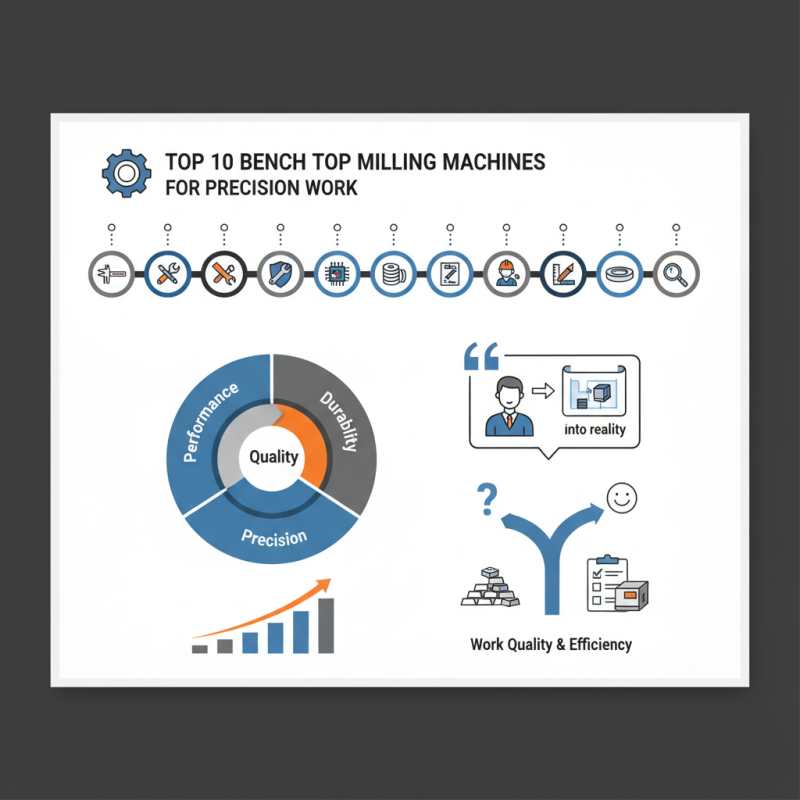
In the world of precision machining, the importance of a reliable Bench Top Milling Machine cannot be overstated. Renowned expert Mark Johnson once said, “A quality milling machine transforms ideas into reality.” This statement underscores the critical role these machines play in achieving high precision work.
Bench Top Milling Machines are vital tools in workshops. They cater to both hobbyists and professionals. These machines enable users to perform intricate tasks with ease. From shaping metal to creating detailed designs, their versatility is impressive. However, selecting the right one can be challenging. The market is filled with options, each claiming to be the best.
Some machines excel in performance but may lack durability. Others may be sturdy but fall short in precision. It’s crucial to find a balance. Researching user reviews and expert opinions can provide insight. Not all Bench Top Milling Machines are created equal. Users often find themselves reflecting on their choices after purchase. Ultimately, the right milling machine can elevate work quality and efficiency significantly.
Key Features to Consider in Bench Top Milling Machines
When selecting the right bench top milling machine, several key features come into play. A rigid frame is crucial for stability and less vibration. A study from the Precision Manufacturing Institute found that machine stability can improve accuracy by up to 25%. Features such as a high-quality motor can provide the necessary power for tougher materials, ensuring efficiency in the workspace.
The size of the
worktable matters significantly. Larger tables can accommodate bigger workpieces, making the machine more versatile. However, an oversized table can limit the space in smaller workshops. As noted in the
Machinery Digest, machines with adjustable tables have seen a
30% increase in popularity. Features like
variable speed control enable users to optimize performance for different materials. Many users overlook the importance of
ease of setup and operation. Complicated machines can lead to frustration and inaccuracies.
Ultimately, the best bench top milling machine should balance
precision, versatility, and user-friendly features. While some machines excel in power, they may fall short in terms of size or adjustability. This trade-off highlights the need for users to assess their specific needs before making a purchase. Remember, the right machine can enhance productivity, but selecting the wrong one may lead to potential setbacks in your projects.
Top Brands and Models of Bench Top Milling Machines
When searching for the best bench top milling machines, several brands stand out for their precision and reliability. These machines vary in features, often tailored for hobbies or small workshops. A good model typically has a sturdy base, ensuring stability during operations. Many machines come equipped with variable speed control to accommodate different materials. They can handle light to moderate metalworking tasks with ease.
A common challenge for users is mastering the setup process. Some models may have complex assembly instructions. This can be frustrating for beginners who are new to milling. It's important to take time to understand the specifications and adjustments. Precision work demands patience. The ideal machine should offer ease of use with features that enhance accuracy. A well-chosen model can significantly improve project outcomes.
Another key aspect to consider is the milling capacity. Some machines can only handle small workpieces. This limitation may not suit every project. Users often need to reflect on their specific needs and desired materials. Achieving quality results requires both the right equipment and skills. Continuous practice is necessary to get the best from your machine. Finding that balance can lead to rewarding experiences in precision work.
Comparison of Precision and Accuracy in Milling Machines
Precision and accuracy are vital in milling machines. They define how closely a machine can replicate a desired measurement or cut. Many manufacturers claim high precision, but real-world reviews show discrepancies. A report from the Association for Manufacturing Technology highlights that a mere 1% error can result in significant defects in precision engineering.
Milling machines often exhibit variations in performance. Some achieve tolerances of ±0.001 inches, while others struggle with ±0.005 inches. The design of the machine affects this. Rigid structures yield better precision. Additionally, thermal expansion under high workloads can compromise accuracy. Users must consider these factors when selecting a milling machine.
User experiences indicate common pitfalls. For example, calibration can drift over time, affecting both precision and accuracy. Regular maintenance is crucial. A lack of proper care can lead to a decline in performance. Even top-tier machines are not immune to wear and tear. Investing in quality materials and processes can mitigate these issues.
Top 10 Bench Top Milling Machines for Precision Work
| Model | Max Cutting Depth (mm) | Table Size (mm) | Spindle Speed (RPM) | Weight (kg) | Accuracy (mm) |
| Model A | 25 | 600 x 200 | 3000 | 70 | 0.01 |
| Model B | 30 | 800 x 300 | 2500 | 85 | 0.02 |
| Model C | 20 | 550 x 250 | 4000 | 60 | 0.015 |
| Model D | 35 | 700 x 300 | 2000 | 90 | 0.03 |
| Model E | 30 | 600 x 400 | 3500 | 75 | 0.025 |
| Model F | 25 | 500 x 250 | 3200 | 65 | 0.012 |
| Model G | 30 | 700 x 300 | 2800 | 80 | 0.02 |
| Model H | 32 | 800 x 400 | 2200 | 95 | 0.018 |
| Model I | 40 | 900 x 500 | 2600 | 100 | 0.022 |
| Model J | 28 | 650 x 250 | 3200 | 70 | 0.014 |
Maintenance Tips for Longevity and Performance
Regular maintenance of your bench top milling machine is essential. Clean the surfaces regularly to prevent dust buildup. Oil the moving parts to ensure smooth operation. Check for any wear and tear frequently. A small crack can lead to bigger problems later.
Inspect the belts and pulleys for any signs of fraying. Tightening loose screws and bolts can save you from costly repairs. Pay attention to the coolant system, as proper lubrication is vital for performance. It's easy to overlook these details, but neglecting them can affect your machine's accuracy and longevity.
Replace any worn tools promptly. Dull tools can cause overheating and stress the machine. It’s also wise to regularly calibrate your machine to maintain precision. This helps in identifying issues that could go unnoticed. A proactive approach can prevent major breakdowns in the future, but it requires discipline and attention to detail.
Applications of Bench Top Milling Machines in Various Industries
Bench top milling machines serve various industries by enabling precise machining of parts. They find applications in manufacturing, automotive, and electronics. These machines easily create complex shapes from different materials. In the automotive sector, they help produce prototypes and custom parts.
In electronics, milling machines shape circuit boards accurately. Precision is essential here. Engineers rely on these tools to meet strict tolerances. It’s not unusual to face challenges with material types or configurations. Each project may require adjustments.
**Tip**: Always ensure proper calibration before starting new projects to avoid inaccuracies. Small mistakes can lead to costly errors.
Moreover, user experience varies widely. Some users struggle to master settings. Learning curves can be steep. Patience is key. Understanding the machine's capabilities can save time and resources.
**Tip**: Don’t hesitate to experiment. Each test run offers valuable insights. Embrace imperfections; they often guide you towards improvement.