What Is a Plasma Cutting Table and How Does It Work?
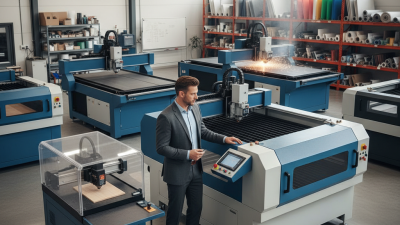
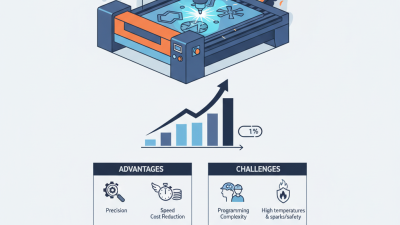
A plasma cutting table is a computer-controlled system that turns electrical energy into a precise cutting arc. It combines a plasma torch, motion gantry, cutting bed, air or gas supply, and control software. Together, these parts cut conductive metals such as mild steel, stainless steel, and aluminum.
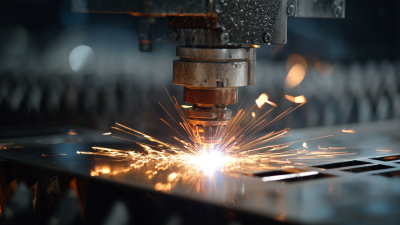
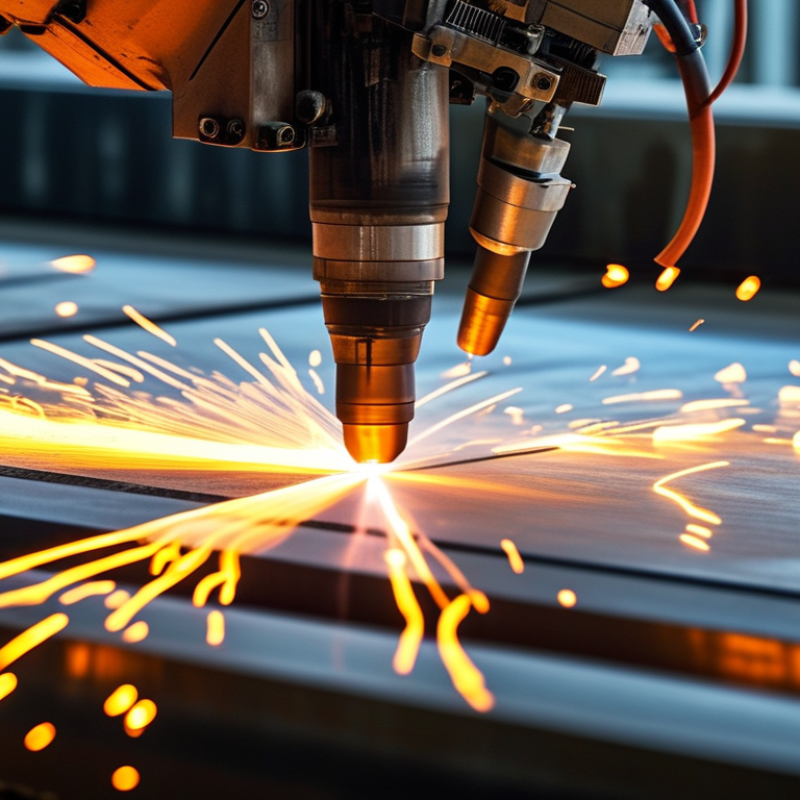
The process is surprisingly direct. Compressed air enters the torch and passes through a narrow nozzle. An electrical arc ionizes the gas, creating plasma that can exceed 20,000°C. The high-speed jet melts the metal, then pushes molten material through the kerf. The table moves the torch along programmed coordinates, producing shapes from flat sheet or plate.
According to Grand View Research and MarketsandMarkets industry analyses, demand for automated metal-cutting equipment continues to grow with fabrication, construction, and automotive production. These reports commonly identify productivity, repeatability, and reduced material waste as major adoption factors. However, market forecasts do not tell the whole story. Real performance depends on torch height, consumable condition, air quality, material thickness, and operator setup.
Small details matter.
The ISO 9013 standard provides a useful framework for evaluating thermal-cutting quality, including edge appearance and tolerance classes. Safety guidance from OSHA also emphasizes ventilation, eye protection, fire prevention, and electrical controls. A plasma cutting table is not simply a faster saw. It is a coordinated manufacturing system that requires calibration and judgment. This guide explains its main components, operating sequence, capabilities, limitations, and practical maintenance needs. Some results may still vary. That uncertainty deserves attention.
What Is a Plasma Cutting Table?
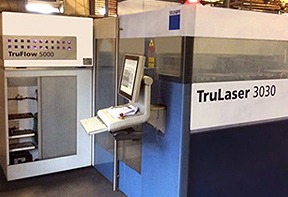
A plasma cutting table is a metalworking system that combines a flat bed, plasma torch, motion controls, and a computer-guided cutting program. It uses compressed gas and an electric arc to create extremely hot plasma. The plasma melts conductive metal, while the gas stream pushes molten material through the cut. Steel, stainless steel, and aluminum are common materials.
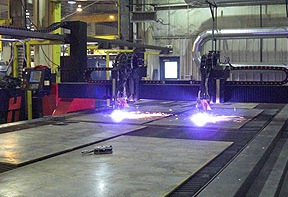
The table usually includes a slatted water bed or downdraft extraction system. These features help control sparks, fumes, heat, and falling scrap. A CNC controller moves the torch along programmed paths, producing repeated shapes with consistent dimensions. In a working shop, operators still check torch height, air pressure, plate flatness, and consumable wear. Small errors matter. Poor settings can leave heavy dross or a rough edge.
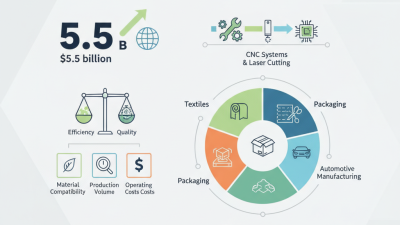
According to Grand View Research’s 2024 market analysis, the global plasma cutting machine market was valued at more than 1 billion U.S. dollars in 2023. The report also forecasts continued growth through 2030, supported by metal fabrication and industrial production. That growth does not make every table equally capable. Cutting speed depends on material thickness, power level, pierce settings, and operator judgment. The American Welding Society also emphasizes ventilation, eye protection, electrical control, and safe handling in plasma operations. A table can automate movement, but it cannot replace inspection. That part is often underestimated.
What Is a Plasma Cutting Table and How Does It Work?
A plasma cutting table uses a computer-controlled torch to guide an electrically conductive plasma arc through metal. The arc melts the material, while high-velocity gas removes the molten metal and forms the cut. The chart shows approximate cutting speeds for mild steel at common thicknesses; actual results vary with plasma power, gas type, consumables, and cut quality settings.
As material thickness increases, the recommended cutting speed generally decreases to maintain a stable arc and acceptable edge quality.
How Does a Plasma Cutting Table Cut Metal?
A plasma cutting table uses a computer-controlled torch to cut electrically conductive metal. The table usually includes a steel slat bed, a moving gantry, a torch, and a grounding connection. An operator loads a cutting file, checks the material thickness, and sets the torch height. Small adjustments matter.
How does it cut metal?
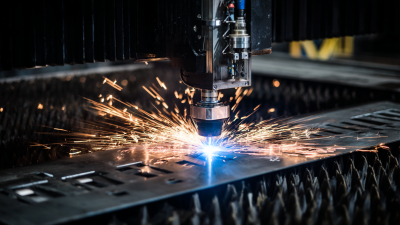
The torch forces compressed air through a narrow nozzle. An electric arc heats this air until it becomes plasma, a very hot, electrically charged gas. The plasma jet melts a thin path through the sheet. Compressed air then blows the molten metal below the table, leaving a narrow cut called a kerf. The gantry follows programmed coordinates while maintaining a steady travel speed.
The process starts with a controlled pierce, not a direct edge cut.
The torch briefly stays above the surface and creates a hole before moving along the design. A height sensor can adjust for warped plate, but it cannot fix every setup mistake. Too much speed may leave heavy dross underneath. Too little speed can widen the cut and darken the edge. Operators often inspect the first piece, measure critical dimensions, and adjust amperage, air pressure, or torch height. The finished edge may still show slight beveling. That is normal. Experienced users allow for it during design and check consumable wear before longer jobs.
How Do CNC Controls Guide the Cutting Process?
A plasma cutting table combines a steel work surface, a plasma torch, and computer-controlled motion. The CNC controller reads a digital drawing and converts its lines into precise movement commands. It guides the torch along the programmed path, controlling speed, direction, and cutting order. Before the arc starts, the operator enters material type, thickness, amperage, and torch height. Small errors matter.
During cutting, the controller manages several critical moments. It sets the piercing delay, allowing the arc to fully penetrate the plate before movement begins. It also adjusts torch height to maintain a stable distance from the metal. If the sheet bends or contains uneven areas, height control can reduce poor cuts and torch contact. Motion commands must match the plasma arc’s behavior. Cutting too quickly may leave dross, while moving too slowly can widen the kerf.
Good results still require human judgment. Experienced operators inspect the first cut for beveling, rough edges, incomplete penetration, or excessive heat marks. A clean edge is useful evidence. Automatic settings are helpful, but they are not perfect. That assumption can fail. Material coatings, warped sheets, and worn consumables can change the result. In practical work, operators often adjust speed or height after observing the test piece. Recording these adjustments improves repeatability and helps explain unusual results later.
What Materials, Uses, and Safety Measures Apply?
What Is a Plasma Cutting Table and How Does It Work?
A plasma cutting table uses an electric arc and compressed gas to melt and remove conductive metal. The torch moves across a programmed bed, producing clean shapes from steel, stainless steel, and aluminum. Mild steel is common, but thickness depends on the power source, gas pressure, and torch design. Thin sheet cuts quickly. Thick plate needs slower travel and careful height control.
Materials should be dry, stable, and free from unknown coatings. Paint, galvanized layers, and oily surfaces can release hazardous fumes when heated. The National Institute for Occupational Safety and Health identifies metal fumes and gases as serious workplace exposure concerns, so local exhaust ventilation should capture smoke near the cutting zone. Never rely on a ceiling fan alone. It spreads contamination.
The table suits brackets, panels, signs, machine parts, and repair templates. Operators should wear shaded eye protection, flame-resistant clothing, gloves, hearing protection, and suitable footwear. OSHA’s occupational noise standard uses 90 dBA over eight hours as the permissible exposure limit, with an 85 dBA action level. Plasma cutting can approach these conditions. Measure noise instead of guessing.
Keep combustible materials away, inspect cables, and ground the workpiece correctly. NFPA 70E emphasizes controlling electrical hazards through de-energizing and verified safe work practices. I still recheck the air line and torch height before cutting. Small oversights can damage material or injure someone. The table is powerful, not forgiving.