How to Use Industrial Dynamic Checkweighing at Canton Fair?
The Canton Fair is a significant event for industrial sectors, bringing together various suppliers and buyers. As the 139th session approaches, integrating technologies such as Industrial Dynamic Checkweighing becomes essential. This tool helps ensure product compliance, particularly for the manufacturing, electronics, and consumer goods industries.
With AI-powered features at the fair, discovering suppliers who meet specific certifications, like ISO or CE, becomes easier. However, many exhibitors may overlook the importance of precise weight measurement. Inaccurate weight can lead to compliance issues and product rejection. Not addressing this could result in wasted time and resources.
Industrial Dynamic Checkweighing can enhance efficiency and quality assurance during the fair. It offers real-time data, ensuring that products are within weight tolerances. Yet, some companies may resist adopting this technology due to costs or a lack of knowledge. Ignoring these advancements could hinder performance and competitiveness. Adopting checkweighing should be considered an investment.
Understanding Industrial Dynamic Checkweighing Principles
Dynamic checkweighing is vital in industrial settings. It ensures products meet weight specifications. This process offers real-time feedback. Adjustments can be made instantly, enhancing quality control.
Understanding the principles is key to success. The system uses a weigh cell, a conveyor, and software. The weigh cell detects weight changes accurately. This is important for high-speed operations. The conveyor moves products seamlessly for weighing. Software interprets the data, ensuring compliance.
Tips: Always calibrate your checkweighing system before operations. Regular maintenance helps avoid errors. Train staff for effective usage. Familiarity with the equipment leads to better results. Not all products weigh the same, so adjustments may be needed frequently.
Mistakes happen, and it is okay to reflect on them. Sometimes, weight discrepancies occur. This could be due to product inconsistency. Understanding why these issues arise is important for improvement. Communication among team members can help identify solutions. Emphasizing these principles can lead to better outcomes in dynamic checkweighing.
Benefits of Industrial Dynamic Checkweighing at Canton Fair
Dynamic checkweighing at trade fairs, like the Canton Fair, plays a crucial role in maintaining product integrity. This system evaluates the weight of products as they are being handled. According to industry reports, inaccuracies in weight can result in significant financial losses, sometimes exceeding 5% of production costs.
Utilizing Industrial Dynamic Checkweighers can greatly enhance efficiency. They providereal-time data, ensuring that every package meets weight specifications. This helps to prevent costly rejections and fines. A study highlighted that companies employing these systems experienced a 20% reduction in product wastage. Yet, many companies still struggle with integration. The learning curve can be steep.
Moreover, quality control is vital for reputation at fairs. Discrepancies in weight can damage trust with suppliers and consumers. Data shows that 80% of customers consider weight accuracy essential when making purchasing decisions. However, the technology is not foolproof. Calibration errors and external factors can lead to inaccuracies. Regular checks and staff training are necessary to mitigate these issues. Emphasizing the importance of dynamic checkweighing could lead to improved practices, especially in high-stakes environments like the Canton Fair.
Setting Up Dynamic Checkweighing Systems for Optimal Performance
Setting up dynamic checkweighing systems at trade events like the Canton Fair requires careful planning. Start with the placement of the equipment. Position it near entry points for maximum visibility. Ensure that the surroundings are not cluttered. A clean space enables efficient operation and helps attract attention.
Next, consider the calibration of the checkweigher. Proper calibration is crucial for accuracy. This step can often be overlooked amid the hustle and bustle of such events. Regular checks can prevent issues like weighing errors. Even minor inaccuracies can lead to larger problems later.
Training staff is also vital. They should understand how to operate the equipment effectively. A lack of knowledge can result in delays and frustration. Providing hands-on training can help avoid confusion. The team should also be aware of troubleshooting common issues. Implementing these strategies can lead to optimal performance and a smoother experience at the fair.
Performance of Dynamic Checkweighing Systems at Canton Fair
Interpreting Checkweighing Data and Results Effectively
Dynamic checkweighing plays a crucial role at trade shows like the Canton Fair. It helps ensure product quality and compliance. To interpret checkweighing data effectively, you need to understand a few key concepts. Focus on the weight tolerance levels. Every product category may have different standards.
Pay attention to the checkweigher results. Are they consistent? If you notice fluctuations, it can indicate a problem. Measuring small variations can highlight issues like a faulty machine or improper packing. It’s important to document these results carefully. Digital displays can provide immediate feedback, but analyzing trends over time is equally important.
Sometimes, you may find that products don’t meet the desired specifications. This can be frustrating but offers valuable insights. Reflect on possible causes and seek solutions. Is the machinery properly calibrated? Are the operators well-trained? These questions can guide you in improving your process. Ultimately, being proactive with this data can enhance your business's reputation.
How to Use Industrial Dynamic Checkweighing at Canton Fair? - Interpreting Checkweighing Data and Results Effectively
| Item | Target Weight (kg) | Actual Weight (kg) | Variance (kg) | Pass/Fail |
| Product A | 10.0 | 10.1 | +0.1 | Pass |
| Product B | 5.5 | 5.7 | +0.2 | Pass |
| Product C | 7.0 | 6.8 | -0.2 | Fail |
| Product D | 3.0 | 3.0 | 0.0 | Pass |
| Product E | 8.0 | 8.3 | +0.3 | Pass |
Best Practices for Integrating Checkweighing in Trade Exhibitions
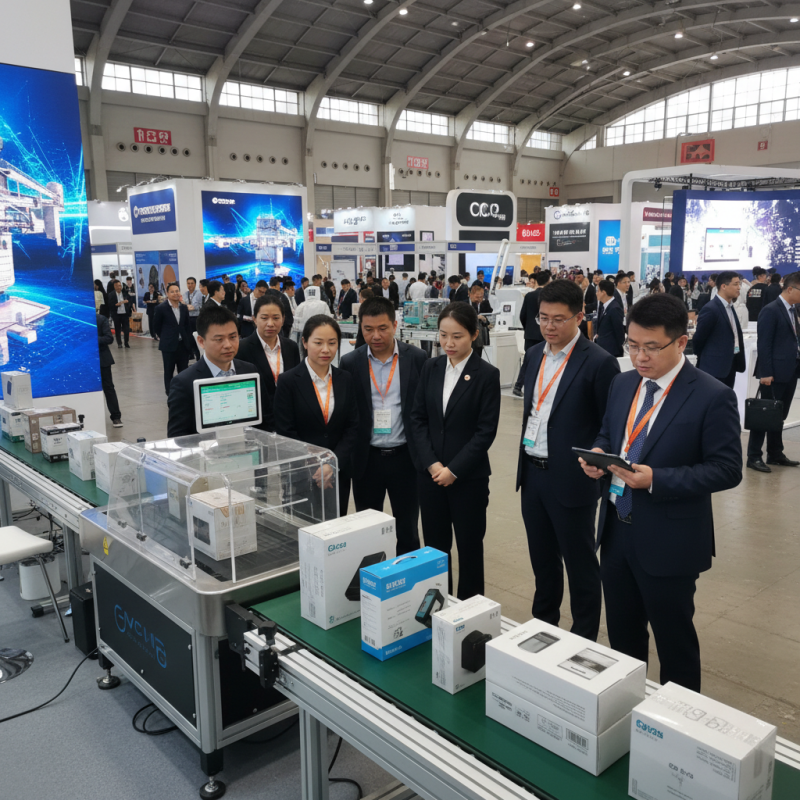
Integrating dynamic checkweighing at trade exhibitions can be a game changer. It enhances precision in product measurement. At events like the Canton Fair, this system captures visitor attention. Imagine a booth where products are weighed in real-time. This not only ensures compliance but builds trust with customers.
Best practices include strategic placement of checkweighers. Position them where foot traffic is high. Clear signage explaining their purpose helps. Use friendly staff to engage with visitors. They can demonstrate the technology's benefits. It’s important to keep the setup simple. Complicated displays may confuse attendees.
Regularly calibrate the equipment to maintain accuracy. However, expect some hiccups. Equipment may sometimes malfunction or give inaccurate readings. This could lead to frustration. Address issues promptly to reassure visitors. Gathering feedback can help improve the process for future events.