What is Deodorant Stick and How Does It Work?
Deodorant Sticks have become a staple in personal care. Understanding how they work is essential for consumers seeking effective freshness. According to industry reports, the global deodorant market is projected to reach $27.8 billion by 2026. This growth reflects an increasing awareness of personal hygiene and scent.
Expert Sarah Thompson, a dermatologist and hygiene consultant, notes, "Choosing the right deodorant stick can significantly impact daily confidence." This emphasizes the importance of quality products. Deodorant sticks typically contain aluminum compounds, which block sweat. They also include fragrances and moisturizing agents to ensure comfort on the skin.
However, not all deodorant sticks are created equal. Some can cause skin irritation or discomfort. Consumers must consider their skin type and personal preferences. By understanding the intricacies of deodorant sticks, individuals can make informed choices, enhancing their daily personal care routine.
Definition of Deodorant Stick and Its Types
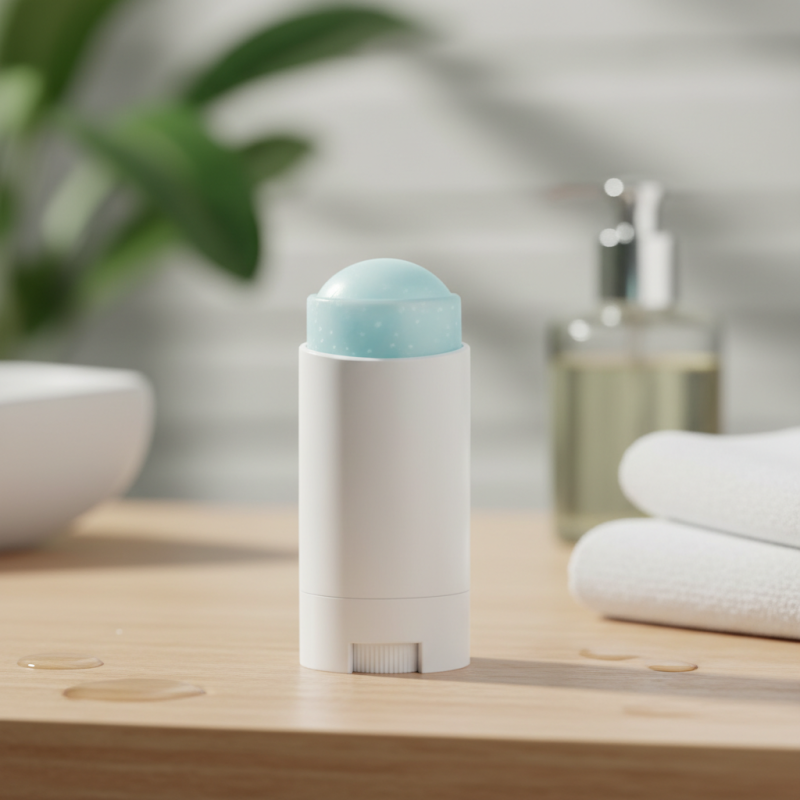
Deodorant sticks are personal care products designed to mask body odor. They typically come in a solid form and are easy to apply. Deodorants reduce or eliminate odor caused by bacterial growth on sweaty skin. There are various types of deodorant sticks, including those that are aluminum-free, natural, or gel-based. Each type caters to different skin types and preferences.
Natural deodorant sticks often contain baking soda or cornstarch. These ingredients absorb moisture and neutralize odors without harsh chemicals. On the other hand, gel-based deodorants provide a refreshing feel and quick-drying formula. Each option has its pros and cons, and experimenting with different types can help users find their ideal match.
Tip: Always test a small area of skin before applying a new product. Patch testing can prevent allergic reactions. Also, keep in mind that body chemistry varies from person to person. What works for one individual might not work for another. Adjust your choice according to how your skin reacts over time. Over time, your needs may change, so don’t hesitate to re-evaluate your options.
Types of Deodorant Sticks and Their Popularity
How Deodorant Sticks Differ from Antiperspirants
Deodorant sticks and antiperspirants are often confused, but they serve different purposes. Deodorants neutralize body odor caused by bacteria breaking down sweat. In contrast, antiperspirants reduce sweating by blocking sweat glands with aluminum-based compounds. A report from the market research firm Statista indicates that over 50% of adults prefer using deodorant sticks for their ease of application and perceived natural benefits.
The ingredients in these products are also distinct. Deodorants typically use essential oils and baking soda to combat odor, while antiperspirants rely heavily on chemical agents. A survey from the American Academy of Dermatology found that about 25% of users experience skin irritation from common antiperspirant ingredients. This highlights the importance of understanding individual skin sensitivities when choosing between the two.
Consumer preferences are shifting, too. A recent study indicated that around 35% of millennials are opting for natural deodorants, avoiding chemicals altogether. However, many are still concerned about efficacy. Some users have reported needing to reapply deodorant sticks more frequently than antiperspirants, which can lead to questions about value. These varied experiences emphasize the necessity for better consumer education on product choices.
Key Ingredients in Deodorant Sticks and Their Functions
Deodorant sticks primarily use ingredients that help control body odor. The key role of deodorants is to neutralize the bacteria that cause odors. Most formulas include antimicrobial agents like triclosan that effectively kill bacteria. These agents are essential for maintaining freshness throughout the day.
Another significant component is aluminum compounds. They form a gel that blocks sweat glands, reducing moisture. While effective, some users express concerns about potential skin sensitivity. Fragrance is also a common ingredient, adding a pleasant scent. However, some people may prefer unscented options to avoid irritation.
Natural alternatives often contain baking soda or essential oils. Baking soda neutralizes odors without harsh chemicals. Essential oils provide a natural scent but may not last as long as synthetic fragrances. Choosing the right deodorant stick requires consideration of skin type and preferences. Users must test different formulas to find what suits them best. Commercial products may not work for everyone, highlighting the need for individual exploration.
What is Deodorant Stick and How Does It Work? - Key Ingredients in Deodorant Sticks and Their Functions
| Ingredient | Function | Common Source |
| Aluminum Compounds | Reduces sweating by blocking sweat glands | Mineral sources |
| Fragrance | Provides a pleasant scent to mask body odor | Synthetic and natural sources |
| Alcohol | Acts as an antimicrobial agent and astringent | Fermented sources |
| Baking Soda | Neutralizes odor by balancing pH | Natural minerals |
| Citric Acid | Helps to stabilize the formula and enhances the scent | Citrus fruits |
| Shea Butter | Moisturizes and soothes the skin | Nuts from shea tree |
| Zinc Compounds | Acts as an antibacterial agent to combat odor | Natural minerals |
Mechanism of Action: How Deodorant Sticks Mask Odor
Deodorant sticks are a popular choice for masking body odor. They contain active ingredients that target odor-causing bacteria. When you apply a deodorant stick, it forms a protective layer on your skin. This layer inhibits bacterial growth, which is crucial for odor control.
The effectiveness of deodorant sticks lies in their formulation. They often contain aluminum compounds that temporarily block sweat glands. Other ingredients, like essential oils, provide a pleasant fragrance. These scents can mask odor while also promoting a feeling of freshness throughout the day. However, some individuals may experience skin irritation from these ingredients. Always test a small area before regular use.
Tips: Look for deodorants with natural ingredients if you have sensitive skin. Some people prefer a fragrance-free option. Remember, not all deodorants work for everyone. You may need to try different types to find what suits your body chemistry best. Keep in mind that overuse could lead to skin issues. It's essential to use deodorant sticks as directed for optimal results.
Benefits and Considerations of Using Deodorant Sticks
Deodorant sticks play a crucial role in personal hygiene. They are designed to mask body odor caused by bacterial growth. Many users appreciate their convenience and ease of application. However, it's essential to consider the ingredients used in these products. Research shows that around 30% of consumers prefer natural deodorants, citing concerns over synthetic chemicals.
The benefits of using deodorant sticks include their effectiveness and portability. A recent study indicated that 80% of users reported positive experiences with stick formulations compared to sprays and roll-ons. This is largely due to their ability to provide targeted application and longer-lasting scent. Yet, there are considerations to keep in mind. Ingredients like aluminum and parabens have raised questions about safety. Some individuals may experience skin irritation or allergic reactions.
Tips: Always check ingredient labels. Look for hypoallergenic options if you have sensitive skin. Consider rotating between products to minimize potential irritation. It's wise to perform a patch test with a new deodorant. Understanding your body's needs can lead to better choices. This trial and error approach can help find the best product for personal use.