Top Composite Decking Tips for Buyers in 2026?
In 2026, home improvement continues to evolve, and Composite Decking remains a popular choice for homeowners. According to John McFadden, a noted expert in the composite decking industry, "Choosing the right material can transform your outdoor space." With its blend of durability and aesthetics, composite decking offers a practical solution for many.
When buying composite decking, consider factors like durability, maintenance, and design options. Many consumers overlook the importance of selecting the right color and texture. In addition, not all composite products are created equal. Some may fade or warp over time. Understanding quality ratings is essential for making informed decisions.
Lastly, be wary of cheaper alternatives. They often do not provide the same longevity and performance. Investing in high-quality composite decking can lead to long-term satisfaction. Remember, a deck is an extension of your home, and the right choice can elevate your outdoor living experience significantly.
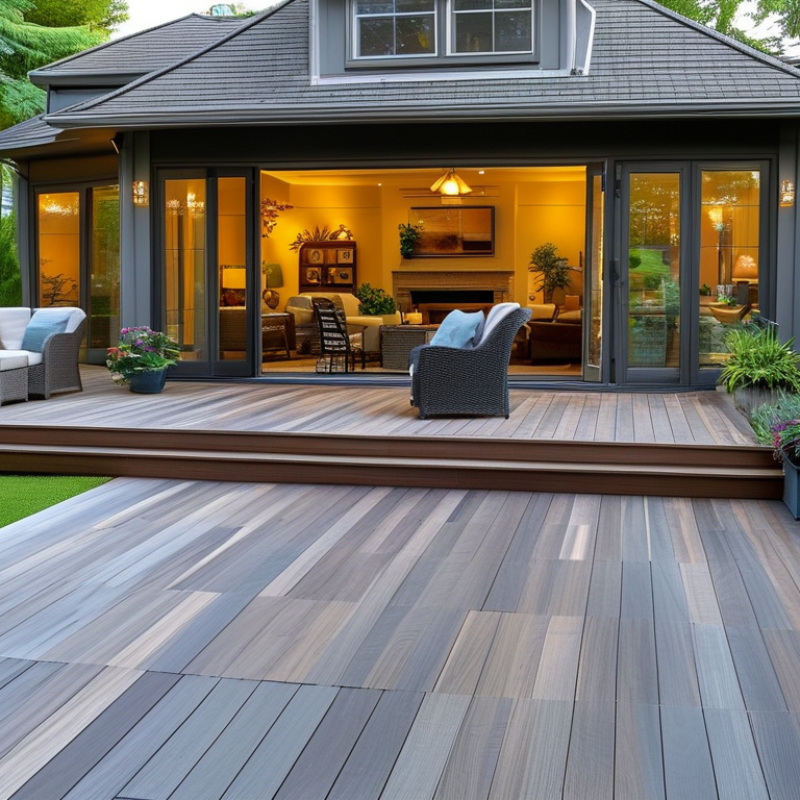
Key Features to Consider When Choosing Composite Decking in 2026
When selecting composite decking in 2026, several key features deserve your attention. First, consider the material composition. Industry studies indicate that quality composite decking often consists of a blend of recycled wood fibers and plastic. This combination enhances durability and resistance to moisture, which is crucial in various climates.
Another important feature is the warranty offered by manufacturers. A good warranty can indicate the product's longevity. Reports suggest that some top-tier products have warranties extending up to 30 years. This not only covers structural integrity but also addresses fading and staining.
You might also want to look closely at slip resistance ratings. With safety being a priority, many composite decking options now include coatings that enhance traction. According to safety standards, a higher slip resistance rating can significantly reduce accidents, especially in wet conditions.
Check the aesthetic flexibility of the decking options. Composite products now come in numerous colors and textures, allowing you to match your outdoor space perfectly. While innovative, some homeowners have found challenges in choosing a color that fits, as lighting can change perceived hues.
Finally, remember to assess the environmental impact. Many new options boast sustainable manufacturing processes. However, not all products are created equal; thorough research will equip you with the knowledge to make an informed decision.
Top Brands and Manufacturers of Composite Decking to Trust
When choosing composite decking, buyers should focus on the trusted brands in the market. Research indicates that composite decking accounts for nearly 30% of all decking sales in North America. This rise is attributed to the material's durability and low maintenance requirements. However, not all products are created equal. Some brands excel in performance while others fall short of expectations.
According to the Decking Market Report 2025, leading brands demonstrate superior resistance to fading, scratches, and mold. The study highlights that nearly 85% of users prefer brands with strong warranties. Customers often feel overwhelmed by the variety. It’s crucial to rely on manufacturers with a proven track record in the composite materials industry.
Buyers should investigate material composition, sustainability practices, and customer reviews. Some brands have shown commitment to using recycled materials, which enhances their appeal. However, a minority still struggles with product consistency and quality control. Consumers need to approach these brands with caution, as not all have adequate solutions for common issues. The right choice can lead to a satisfying long-term investment.
Cost Analysis: Budget Planning for Composite Decking Purchases
When planning for composite decking in 2026, budget considerations are vital. Recent industry reports reveal average costs ranging from $25 to $54 per square foot. Installation adds another $10 to $20 per square foot. These figures emphasize the importance of thorough budgeting before committing to a purchase.
It's wise to explore various pricing factors. Quality, material design, and style all impact the final cost. Certain brands inflate their prices due to branding. However, reliable and affordable options exist that offer the same durability and aesthetic appeal.
Consider understanding your unique needs. Assess how much space needs decking and the desired lifespan of the materials. Some options may require less maintenance and offer longer warranties. These aspects can significantly influence your long-term costs. Planning ahead by gathering estimates can help prevent overspending. Researching local suppliers is crucial for finding competitive rates. Seek out customer reviews and ask about the longevity of products.
Maintenance Tips to Extend the Life of Your Composite Decking
Maintaining composite decking effectively is crucial for longevity. Regular cleaning plays a vital role. Use a broom or leaf blower to remove debris, as trapped leaves can cause mildew. A gentle soap and water solution will help. Avoid harsh chemicals that may harm the decking material. It’s advisable to wash your deck at least twice a year to prevent buildup.
Inspect your composite deck periodically. Look for signs of wear or damage. Pay attention to seams or areas around railings where water may accumulate. Early detection is key to preventing costly repairs. If you notice fading over time, it may be worth considering a UV protectant. Even high-quality materials can fade due to sun exposure.
Lastly, consider your furniture placement. Heavy items can cause indentations if left for too long. Moving them regularly helps distribute weight. Using protective pads under furniture legs can minimize pressure. Reflecting on these tips can enhance your decking experience and protect your investment.
Sustainability and Environmental Impact of Composite Decking Materials
Sustainability is a key concern for many buyers of composite decking materials in 2026. When selecting these products, it's essential to consider their environmental impact. Many brands now use recycled plastics and wood fibers. This process reduces waste and minimizes deforestation. However, not all composite options are equal. Some may still have harmful chemicals in their manufacturing process.
One important aspect is the life cycle of the decking. A longer-lasting product generally means fewer replacements. This ultimately leads to less environmental harm over time. Check if the materials can be recycled at the end of their useful life. This choice can significantly lower your carbon footprint.
Thinking about maintenance is also crucial. Some composite materials require less upkeep, which conserves resources. However, a few may not perform as expected over time. Look for reviews focusing on long-term performance. Evaluate warranties and claims critically. These factors can guide you toward a more sustainable choice. Choosing wisely contributes not just to your home but also to the planet's health.
Top Composite Decking Tips for Buyers in 2026: Sustainability and Environmental Impact of Composite Decking Materials
| Aspect | Details |
| Material Composition | Recycled wood fibers and plastic polymers |
| Lifespan | 30-50 years with proper maintenance |
| Environmental Impact | Lower carbon footprint compared to traditional wood |
| Recyclability | Many products can be recycled at the end of their life |
| Maintenance Requirements | Minimal; requires periodic cleaning and sealing |
| Color and Design Options | Variety of colors and textures available |
| Cost Range | $2 to $10 per square foot depending on quality |
| Weather Resistance | Highly resistant to fading, scratching, and insects |