Why Choose a Fiber Laser Machine for Your Business Needs?
The adoption of fiber laser machines is transforming the manufacturing landscape. This technology stands out due to its precision and efficiency. According to a recent report from MarketsandMarkets, the global fiber laser market is expected to reach $3.73 billion by 2026, growing at a CAGR of 8.5%. This substantial growth reflects the increasing demand for automation and advanced cutting technologies in various industries.
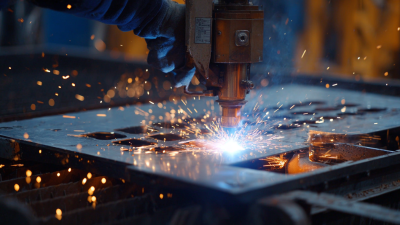
Dr. Emily Wright, a leading expert in laser technology, emphasizes this point: “Fiber laser machines offer unmatched versatility and speed, making them essential for modern manufacturing.” Her insights highlight the critical role that these machines play in enhancing productivity. With their ability to easily cut, engrave, and mark a wide range of materials, fiber laser machines are becoming a go-to option for businesses looking to optimize their operations.
However, not all companies have embraced this technology yet. Some still rely on legacy systems that lack the efficiency and accuracy of fiber lasers. Implementing new technologies can be daunting, requiring investment and training. As businesses weigh their options, the advantages of fiber laser machines, like lower operational costs and improved quality, make them worth considering. In a rapidly evolving industry, understanding these benefits is crucial for staying competitive.
Advantages of Fiber Laser Machines Over Traditional Laser Technology
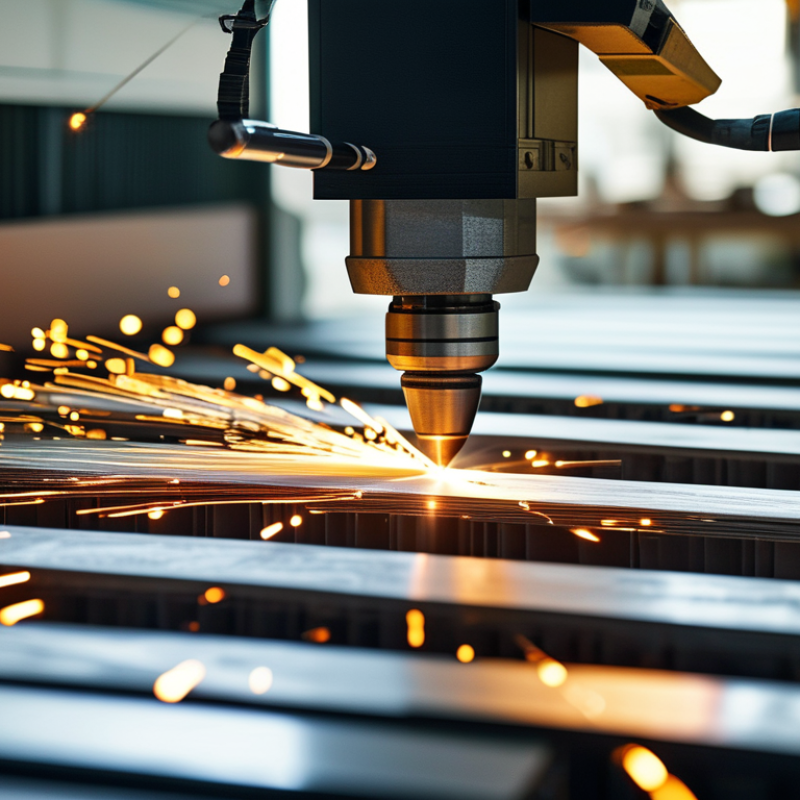
Fiber laser machines offer significant advantages over traditional laser technology. One key benefit is their efficiency. They require less power to operate, making them cost-effective. Companies can reduce energy costs while increasing productivity. The improved speed of fiber lasers also enhances production rates. This translates to faster turnaround times for customers.
Another advantage is the precision of fiber lasers. They deliver more accurate cuts and engraving. This accuracy is crucial, especially in industries requiring high detail. The fiber laser's smaller beam diameter results in cleaner cuts. It's also easier to work with various materials, from metals to plastics. However, some businesses may need time to adapt to this new technology.
Fiber laser machines are also known for their longevity. Unlike traditional lasers, they have fewer moving parts. This often results in less maintenance and downtime. Companies should still consider the initial investment. While the upfront cost can be higher, the long-term savings are worth the consideration. Many businesses are sharing their experiences, highlighting both challenges and successes. Adopting fiber laser technology can reshape operations, yet careful planning is essential.
Cost Efficiency: Analyzing the Return on Investment for Fiber Lasers
When considering a fiber laser machine for your business, cost efficiency is a critical factor. Fiber lasers tend to have lower operating costs compared to other types. They consume less energy, which can lead to significant savings over time. Businesses utilizing these machines often see a faster return on investment. This speed can be crucial in competitive markets.
However, it's essential to assess the initial investment. The upfront cost of a fiber laser machine can be higher than traditional machines. Business owners must evaluate their budgets carefully. Consider long-term gains against initial expenses. Maintenance costs are generally lower, thanks to the durability of fiber technology. This reliability further enhances the overall value.
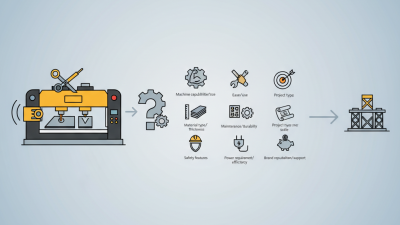
Analyzing your specific needs is vital. A fiber laser may not be the best fit for all applications. It’s necessary to reflect on your production volume and material types. Researching and understanding these factors can prevent costly mistakes. Ultimately, with the right approach, the benefits of a fiber laser can outweigh its drawbacks, leading to increased productivity and profitability.
Speed and Precision: Key Metrics for Enhanced Manufacturing Productivity
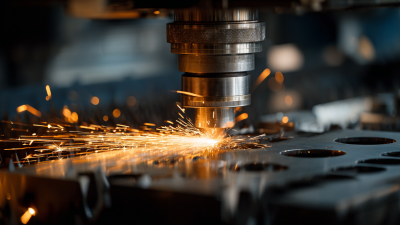
Fiber laser machines are increasingly becoming essential in modern manufacturing. Their unmatched speed and precision significantly enhance productivity. These machines can cut through materials quickly, which reduces lead times. Whether it's metal or acrylic, the fiber laser delivers consistent results. The heat-affected zone is minimal, ensuring clean cuts without the need for extensive post-processing.
Precision is another critical aspect. Fiber lasers can achieve intricate designs that other methods struggle with. This capability allows businesses to diversify their product offerings. However, relying solely on laser technology can be a double-edged sword. It's important to assess whether this fits your specific needs. Sometimes, traditional methods still offer benefits that shouldn't be overlooked. Balancing innovation with existing techniques is crucial for optimal results.
Choosing the right technology involves understanding your production goals. It may be tempting to adopt the latest options without fully grasping their implications. Regular training is essential to maximize the benefits of fiber lasers. Employers should invest in staff development to enhance skill levels. This approach leads to a more efficient operation. Embracing these changes can position a business for future growth. Yet, it requires careful monitoring and ongoing evaluation of performance metrics.
Applications of Fiber Lasers in Various Industries: Market Trends and Data
Fiber laser machines are gaining traction across various industries due to their versatility and efficiency. Their ability to cut, engrave, and mark materials like metal, wood, and plastic makes them highly valuable. The automotive sector is one of the largest users. Manufacturers utilize fiber lasers for precision cutting of components, optimizing production time significantly.
In the aerospace industry, fiber lasers are employed for surface treatment and welding. These machines provide high-quality results, which are critical for safety. Moreover, the medical field is increasingly adopting fiber lasers for applications like surgical cutting and tissue welding. The demand for fiber lasers continues to rise, with market trends indicating a compound annual growth rate of over 10% in the coming years.
While fiber lasers offer many benefits, they may require significant initial investment. Businesses must weigh the long-term gains against upfront costs. Additionally, operators need adequate training to maximize efficiency. As industries evolve, fiber lasers are likely to become an essential part of many manufacturing processes.
Future Trends: Innovations in Fiber Laser Technology and Business Impacts
Innovations in fiber laser technology are shaping the future of numerous industries. These machines are becoming more efficient and versatile, leading to new applications in manufacturing. This technology enables precision cutting and engraving with minimal waste. Companies are investing in fiber lasers to stay competitive. As automation and AI integration increase, the adaptability of fiber lasers also enhances.
However, implementing these advanced technologies does come with challenges. Businesses must assess their workforce's skill set. Training employees on new systems is crucial for maximizing productivity. Without proper knowledge, the potential of fiber lasers may not be fully realized. Additionally, the initial investment cost is significant. Companies should consider ROI carefully before making a leap into fiber laser adoption.
The future of fiber laser technology looks promising, but not without hurdles. Staying updated with trends is essential for business growth. Nevertheless, companies must weigh the benefits against the investment. Each step forward should be calculated and deliberate. Innovations will continue to emerge, but adapting to change requires ongoing commitment.
Adoption Rate of Fiber Laser Technology Across Industries (2020-2023)
This bar chart represents the adoption rate of fiber laser technology across various industries from 2020 to 2023. The manufacturing industry shows the highest adoption rate, followed by automotive and electronics, showcasing the increasing reliance on fiber lasers for precision and efficiency in production processes.