Why Choose Cylindrical Gearbox for Your Project Needs?
In today's engineering landscape, the choice of the right gearbox is crucial for project success. A Cylindrical Gearbox stands out due to its proven efficiency and versatility. According to a recent report by the Gearbox Manufacturers Association, around 60% of industrial applications benefit from cylindrical gear designs, emphasizing their importance in various sectors.
Renowned gearbox expert Dr. Alan J. Moore states, "Cylindrical Gearboxes provide unmatched reliability in high-load environments." This reflects the industry's trust in their robust design. These gearboxes are capable of handling significant torque while maintaining operational efficiency. Their simple yet effective design allows for easy maintenance, which can reduce downtime in manufacturing.
However, selecting a cylindrical gearbox requires a careful assessment of specific project needs. The potential for misalignment can lead to increased wear and tear. Thus, it’s important to consider factors like size, load capacity, and application specificity. A well-informed decision can enhance performance and durability for complex mechanical systems. The emphasis on thoughtful selection reveals both the challenges and opportunities in gearbox technology.
Understanding the Basics of Cylindrical Gearboxes
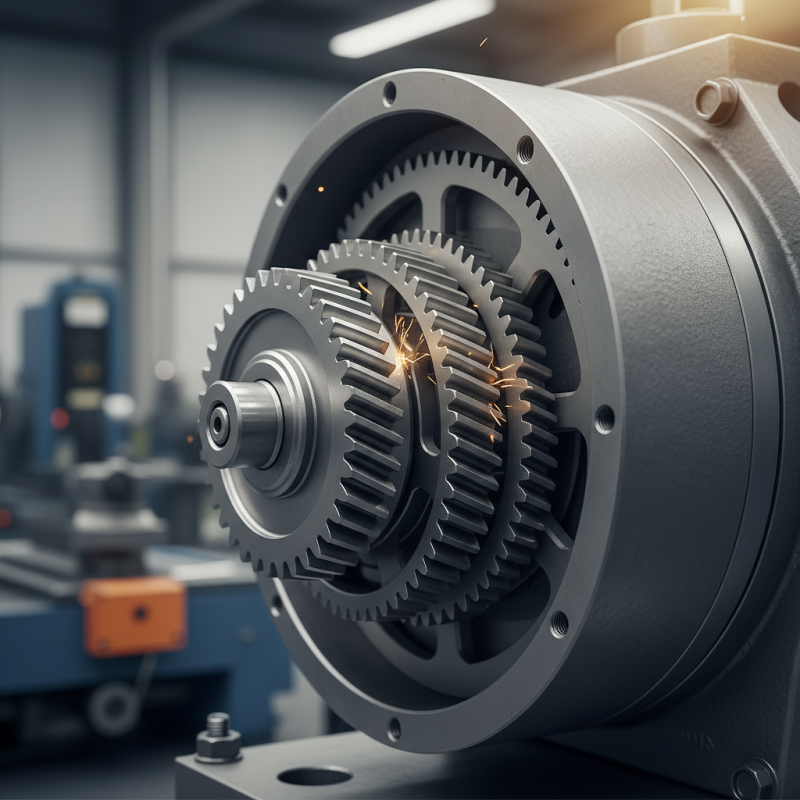
Cylindrical gearboxes are a critical component in many engineering applications. Understanding the basics of these gearboxes is vital for project success. They convert rotational motion and torque efficiently. According to a report by Cision, the global cylindrical gearbox market is projected to grow significantly, highlighting their importance in various sectors.
Cylindrical gearboxes are valued for their load-bearing capacity and compact design. They are often used in machinery and automotive applications. Key advantages include efficiency ratings of up to 98%, based on industry standards. This high efficiency reduces energy losses, which is crucial for sustaining operational costs.
**Tip:** When selecting a cylindrical gearbox, consider factors such as load capacity and installation space. An informed choice can prevent performance issues down the line.
Despite the clear advantages, there are complexities in manufacturing and application. Misalignment during installation can lead to premature wear or failure. Regular maintenance is essential to keep them functioning optimally.
**Tip:** Schedule periodic inspections to identify potential issues early. This practice can prolong the lifespan of your gearboxes and enhance overall project performance.
Key Advantages of Using Cylindrical Gearboxes in Various Applications
Cylindrical gearboxes are favored in various industries due to their reliability and efficiency. According to a report by the National Institute of Standards and Technology, these gearboxes can handle torque loads exceeding 95% of their rated capacity. This makes them ideal for heavy-duty applications like manufacturing and mining.
One key advantage of cylindrical gearboxes is their minimal backlash. This feature is crucial in precision applications, such as robotics, where even slight misalignments can lead to errors. A recent study indicated that using a cylindrical gearbox can reduce positional errors by up to 50%. Their design allows for smooth operation and high efficiency, translating to lower energy consumption. In fact, efficiency ratings can surpass 98% under optimal conditions.
However, cylindrical gearboxes are not without challenges. They can be more complex to manufacture, resulting in higher initial costs. Maintenance can also require careful attention, especially in demanding environments. Despite these considerations, their robust performance in applications ranging from automotive to aerospace makes them a worthwhile investment for many projects.
Factors to Consider When Selecting a Cylindrical Gearbox
When selecting a cylindrical gearbox, several factors deserve attention. First, consider the torque and load requirements of your application. A well-aligned gearbox will efficiently transmit torque without excessive backlash. It’s noted that gearboxes perform best within their specified load range, as operating outside these limits can lead to failure. According to industry standards, gearboxes can handle up to 90% of their rated torque for extended periods.
In addition to torque, efficiency is paramount. Cylindrical gearboxes typically offer a high efficiency rate, often exceeding 97%. This efficiency is crucial for minimizing energy loss, especially in large-scale operations. However, friction and heat generation can lead to unexpected performance drops. Choosing a gearbox that allows for proper cooling can significantly enhance reliability.
Lastly, consider the installation space and alignment precision. A gearbox that fits your spatial constraints while maintaining proper alignment reduces the risk of misalignment issues. Misaligned gearboxes can lead to rapid wear and decreased lifespan. Keeping these factors in mind will aid in your selection process, mitigating the risk of costly repairs or replacements.
Comparative Analysis: Cylindrical Gearboxes vs. Other Gear Types
Cylindrical gearboxes have gained attention in various applications compared to other gear types. Their efficiency and compact design make them a popular choice in industries requiring precision. According to a report by Research and Markets, the global cylindrical gear market is expected to grow significantly, indicating a rising demand for this gearbox type.
When comparing cylindrical gearboxes to bevel or worm gear types, several factors emerge. Cylindrical gearboxes offer higher efficiency, often exceeding 98%. This advantage is crucial in applications where energy loss translates to higher costs. In contrast, worm gears may achieve only 60-80% efficiency. Additionally, cylindrical gears are easier to manufacture, leading to lower production costs and reduced lead times.
However, selecting the right gearbox entails challenges. Each gear type has its advantages and limitations. While cylindrical gears excel in power transmission, they may fall short in applications requiring compactness and flexibility. The decision requires careful consideration of the specific project needs, including load requirements and space constraints. Hence, a thorough analysis of each type's performance and suitability is vital for achieving optimal outcomes.
Common Applications of Cylindrical Gearboxes in Modern Engineering
Cylindrical gearboxes are crucial in various modern engineering applications. They are known for their robustness and high efficiency, making them suitable for demanding environments. Industries like automotive, aerospace, and manufacturing frequently utilize these gearboxes. Research from the International Journal of Engineering shows that cylindrical gear systems can achieve efficiency levels up to 98%. This high performance is essential for machinery operating under heavy loads.
In robotic applications, cylindrical gearboxes enable precise movement and control. Their compact design allows integration into tight spaces, a common requirement in robotics. Additionally, these gearboxes provide consistent torque output, enhancing reliability. Many manufacturers report that incorporating cylindrical gearboxes has led to a 20% increase in overall system efficiency.
Tip: When selecting a cylindrical gearbox, consider the load capacity and output speed. Evaluate the specific requirements of your application. This can prevent issues later on.
Another area where cylindrical gearboxes shine is in conveyor systems. They help facilitate the smooth movement of goods, significantly improving productivity. The versatility of these gearboxes allows for customization to fit various operational needs. Some engineers note challenges in maintaining alignment during installation, which can lead to increased wear. Thus, careful consideration during setup is paramount.
Tip: Regular maintenance is necessary. This ensures the gearboxes operate smoothly over time and can prevent costly downtimes.