What is the Best Pcb Board for Global Sourcing?
In the realm of electronics, selecting the right Pcb Board is crucial for successful global sourcing. According to a recent report from the IPC, the global PCB market is estimated to reach $74 billion by 2026. This statistic highlights the increasing demand for high-quality solutions. Experts emphasize that the choice of PCB board can significantly impact product performance and reliability.
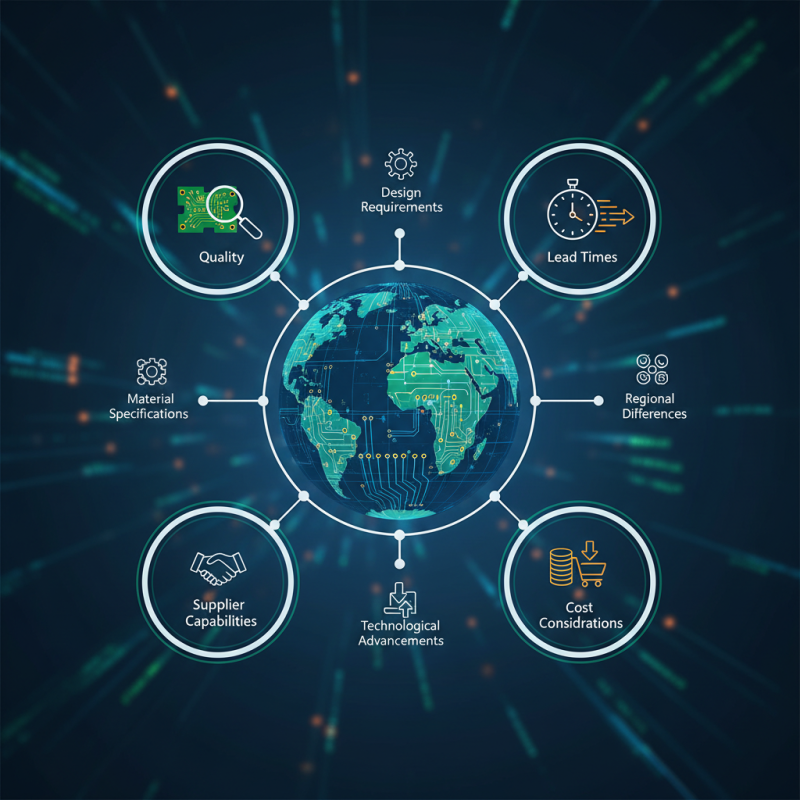
Dr. Alice Chen, a leading figure in PCB technology, stated, “The right PCB board is not just a choice; it’s a strategic decision.” This underscores the importance of understanding material specifications and design requirements in a competitive landscape. Sourcing the best PCB boards involves more than cost considerations. Manufacturers must evaluate quality, lead times, and supplier capabilities.
However, many organizations still struggle with these decisions. They overlook regional differences and technological advancements. This can result in poor sourcing choices that affect overall project timelines and budgets. With industry experts advocating for innovative materials and designs, companies must continuously reassess their sourcing strategies to stay competitive in this fast-evolving field.
Understanding PCB Boards: Types and Specifications
When considering PCB boards for global sourcing, understanding their types and specifications is crucial. Printed circuit boards (PCBs) come in various forms, including single-sided, double-sided, and multi-layered boards. Each type serves different applications. Single-sided boards are typically used for simpler devices. In contrast, multi-layered boards are essential for complex electronics, offering more connectivity options.
Specifications play a significant role in PCB quality. Key factors include the material used, thickness, and copper weight. FR-4 is a common material, providing durability and thermal stability. The board’s thickness often ranges from 0.6mm to 6mm. Copper weight affects electrical performance, with standard options being 1 oz and 2 oz. Selecting appropriate specifications ensures the PCB meets device requirements.
However, sourcing the right PCB can be challenging. Variability in manufacturing processes may lead to inconsistencies. Communication with suppliers is vital to address these issues. Additionally, staying updated on technological advancements can help streamline the sourcing process. Strive for a balance between cost and quality, as the cheapest option may not always be the best choice in the long run.
Global Sourcing of PCB Boards: Types and Specifications
Factors to Consider in Global Sourcing of PCB Boards
When sourcing PCB boards globally, several key factors demand attention. Lead time is crucial. According to industry reports, average lead times for PCB production can range from two to twelve weeks. Variability in lead times can impact project schedules, especially in fast-paced electronics industries. Companies must assess supplier capabilities in this area to align timelines effectively.
Cost is another vital consideration. While cheaper options may seem appealing, they often come with hidden costs. These could include delays, quality issues, and additional logistics expenses. A study by IPC shows that 30% of companies experience increased total costs from poor-quality PCBs. Companies should weigh the initial price against potential long-term savings and quality assurance.
Furthermore, quality control standards vary significantly across regions. Different countries implement diverse regulations and manufacturing practices. This discrepancy can lead to inconsistencies in PCB performance. A compliance framework should be established to evaluate the certification and quality processes of potential suppliers. Well-implemented quality assurance methods can mitigate risks, but companies often overlook this step initially. Making informed decisions in sourcing PCB boards can ultimately lead to greater product reliability and success.
Top Suppliers of PCB Boards Worldwide
When considering PCB board suppliers around the world, several factors are crucial. Quality and reliability are at the top of the list. Manufacturers that focus on advanced technology tend to produce better boards. Innovation plays a significant role in ensuring that PCBs can meet various application needs.
Asia remains a significant hub for PCB sourcing. China, in particular, is known for its large production capacity. However, potential downsides include quality inconsistency and communication barriers. It's important to perform due diligence. Evaluate suppliers thoroughly to avoid unexpected issues.
Other regions are gaining traction as well. Suppliers in Europe and North America often emphasize quality and customer support. These suppliers might be more reliable but can come with higher costs. Understanding your project's demands will help you decide the best fit. Balancing cost and quality is an ongoing challenge in global sourcing.
Quality Control and Standards in PCB Manufacturing
In the realm of PCB manufacturing, quality control is paramount. Over 70% of manufacturers cite quality issues as their biggest challenge. Ensuring adherence to quality standards can significantly reduce these setbacks. The IPC-600 and IPC-A-600 are well-known standards governing PCB acceptability. These benchmarks help factories maintain consistent product quality.
Process control is equally crucial in maintaining quality. A survey from a leading industry report indicates that implementing advanced process controls can decrease defect rates by up to 30%. Yet, some manufacturers struggle with this implementation. Insufficient training and outdated equipment often hinder effective quality control.
Additionally, traceability is vital. Many organizations now require full traceability in their supply chains. This allows quick identification of sources for defects. According to the latest industry data, 80% of companies that enforce traceability see improved quality outcomes. However, not all manufacturers prioritize this aspect. These gaps in quality control demonstrate the need for ongoing improvements in PCB manufacturing practices.
Cost Comparison: Sourcing PCB Boards Globally vs. Locally
When comparing the cost of sourcing PCB boards globally versus locally, various factors must be considered. Global suppliers often offer lower production costs due to cheaper labor and materials. This can lead to significant savings, especially for large production volumes. However, hidden costs may arise. Shipping fees, customs tariffs, and longer lead times can negate initial savings. Communication barriers can also slow down development cycles.
Local sourcing presents its own advantages. Proximity to suppliers allows for quicker turnaround times and easier collaboration. High-quality PCB boards are often produced domestically, adhering to strict standards. However, local options can be more expensive, particularly for specialized designs. Additionally, finding the right manufacturer can be challenging. Each region has its strengths and weaknesses in PCB fabrication.
Evaluating the total cost of ownership (TCO) is crucial. This includes production costs, shipping, and potential delays. Engaging with multiple suppliers can provide insights into cost structures. Ultimately, the best choice depends on specific project needs, required timelines, and budget constraints. It is vital to weigh all options and reflect on potential pitfalls to make informed decisions.
What is the Best Pcb Board for Global Sourcing? - Cost Comparison: Sourcing PCB Boards Globally vs. Locally
| Sourcing Method | Average Cost per Unit (USD) | Lead Time (Weeks) | Customization Options | Quality Assurance Level |
| Local Sourcing | $10.00 | 2 | Limited | High |
| Global Sourcing | $6.00 | 4 | Extensive | Medium |
| Hybrid Sourcing | $8.00 | 3 | Moderate | High |