Best Hub Units in China for Global Procurement Needs?
In recent years, the demand for Hub Units has surged as businesses seek innovative solutions for global procurement. According to a recent report by McKinsey, effective hub strategies can reduce procurement costs by up to 20%. This shift reflects a growing recognition of the importance of centralizing operations and leveraging local expertise for global sourcing needs.
Experts emphasize the role of Hub Units in enhancing supply chain efficiency. Dr. Jonathan Lee, a recognized authority in the logistics sector, asserts, "Hub Units are pivotal for navigating the complexities of global procurement." His insights reveal how strategic hubs improve connectivity and streamline processes.
Despite their advantages, companies must also confront the challenges associated with establishing Hub Units. Issues such as regional compliance and potential language barriers can hinder efficiency. Addressing these challenges requires thoughtful planning and local partnerships. As firms explore Hub Units for procurement, continuous reflection on these aspects will be essential for long-term success.
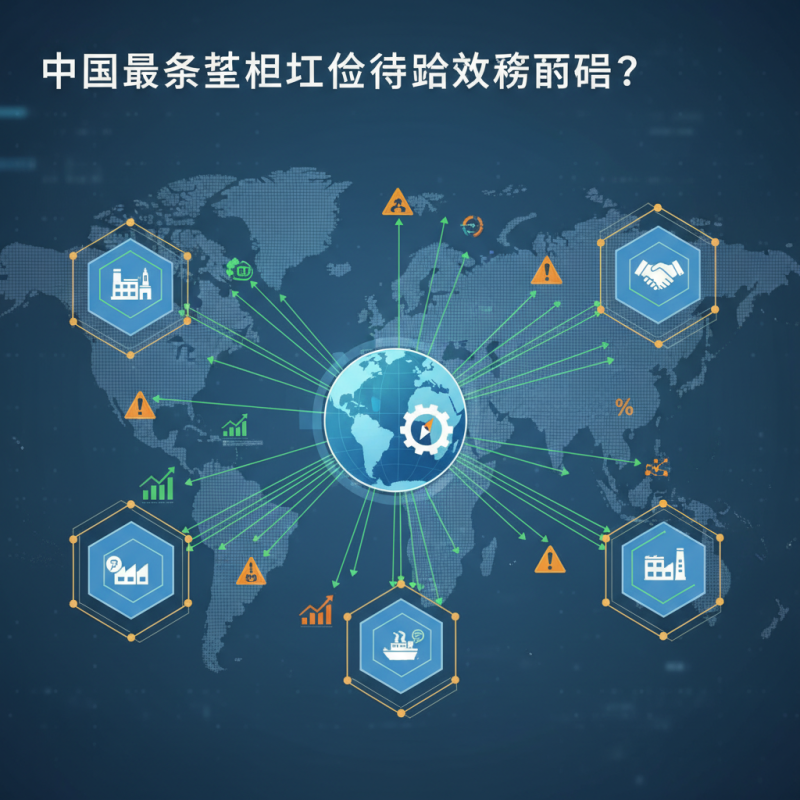
Overview of Global Procurement Trends in China
In recent years, global procurement trends in China have evolved significantly. Many companies are increasingly looking toward China as a strategic hub for sourcing products. According to industry reports, around 45% of global companies view China as a crucial supplier in their procurement strategies. This shift has been largely driven by cost efficiency and manufacturing capabilities.
However, challenges remain within these trends. Recent surveys indicate that 37% of procurement professionals cite supply chain disruption as a major concern. The reliance on certain regions creates potential risks that need addressing. Companies must remain vigilant about these dynamics. Fluctuations in demand can lead to inventory issues, impacting overall procurement efficiency.
Tip: Engage with local suppliers to enhance flexibility in sourcing. Building strong relationships can mitigate risks associated with long-distance logistics.
Furthermore, a focus on sustainability is becoming essential. A report by a leading consultancy revealed that 70% of global firms prioritize sustainable sourcing to align with consumer expectations. This trend requires firms to rethink their procurement strategies, integrating eco-friendly practices without compromising quality.
Tip: Create a balanced scorecard to assess suppliers against sustainability metrics. This can help in selecting partners who meet both ethical and operational standards.
Key Features of Effective Hub Units for Procurement
Effective hub units play a vital role in streamlining global procurement needs. These units serve as strategic centers for sourcing and distributing goods efficiently. Key features include advanced technology for real-time tracking, enabling better transparency. Real-time data helps teams make informed decisions quickly.
Another essential feature is adaptability. Hub units must adjust to market changes and evolving client demands. Flexibility in logistics can optimize costs and improve service levels. Collaboration tools enhance communication and foster stronger relationships between stakeholders. This aspect is frequently overlooked but crucial for seamless operations.
While many strive for perfection, challenges persist. Not all hub units manage to balance efficiency and cost-effectiveness. Misaligned priorities can lead to delays and dissatisfaction. Continuous evaluation and feedback are necessary for improvement. Recognizing imperfections opens doors for innovation and better practices.
Best Hub Units in China for Global Procurement Needs
| Feature | Description | Importance | Example Use Case |
| Centralized Inventory | A single location for stock management | Enhances accuracy and reduces costs | Streamlining supply chain processes |
| Advanced Analytics | Utilizes data for demand forecasting | Improves decision-making | Evaluating supplier performance |
| Supplier Network | Diverse options for sourcing materials | Increases procurement flexibility | Accessing different market segments |
| E-Procurement Tools | Online platforms for purchasing efficiency | Streamlines procurement workflows | Automating purchase orders |
| Compliance Management | Ensures adherence to regulations | Reduces legal risks | Maintaining international trade standards |
Major Hub Units in China: A Comparative Analysis
China has emerged as a vital player in global procurement, with its hub units facilitating seamless supply chain operations. Major hub units such as those in Shanghai and Shenzhen have significant advantages. For instance, Shanghai's port is one of the world’s busiest. It handles approximately 43.3 million TEUs of containers annually, according to the International Seaport Data Report 2023.
Shenzhen has also gained recognition due to its innovative technology sector. The city’s logistic services can reduce shipping times by 30%. However, despite its strengths, some drawbacks must be considered. Issues like congestion and regulatory complexities persist, complicating international procurement.
Furthermore, recent data indicates that over 70% of businesses find it challenging to navigate Chinese customs. This leads to delays in supply chains. Despite these hurdles, the competitive pricing and manufacturing capabilities in these hubs remain attractive for global buyers. Working with local experts may help mitigate risks, enhancing the overall procurement experience.
Challenges and Solutions in Using Chinese Hub Units
Navigating the complexities of global procurement through Chinese hub units presents distinct challenges. First, language barriers can hinder effective communication. Misunderstandings may arise during negotiations. Despite the growth of English proficiency in China, nuances in language can lead to errors. This often slows down processes, which can be frustrating.
Another significant challenge is the regulatory environment. Different regions in China have unique rules. Compliance can be daunting, especially for businesses unfamiliar with local laws. Failing to adhere to these regulations can result in financial penalties and operational delays. Companies must invest time in understanding these complexities to avoid pitfalls.
Quality assurance is another critical issue. While many suppliers offer competitive pricing, not all meet international standards. Balancing cost with quality can be difficult. Regular audits and establishing clear criteria can help mitigate these concerns. Businesses should develop strong relationships with their suppliers to foster trust. This way, companies ensure a more reliable procurement experience in the bustling market of China.
Future Outlook for Hub Units in Global Procurement Networks
The evolution of hub units in global procurement networks is significant. These hubs facilitate smoother integration within supply chains, enhancing efficiency. As businesses adapt to increasing complexities, they seek out central locations for better coordination. These hubs are not just geographic centers; they often embody technological hubs with advanced IT systems. The infrastructure must support real-time data exchange and agile decision-making processes.
Challenges remain as companies navigate the delicate balance between centralization and localization. Data security concerns often arise, as sensitive information flows through these hubs. Trust in these systems is essential for successful collaboration. There is also the question of adaptability. Can these hubs evolve with changing market needs? Flexibility is critical.
Looking ahead, the role of hub units is likely to expand. Companies are realizing the value of integrated networks. As global procurement becomes even more intricate, the demand for efficient hub units will rise. The future lies in innovation and strategic partnerships, which could redefine procurement landscapes. Yet, organizations must regularly assess their hub effectiveness, ensuring they do not become stagnant in a rapidly changing market.
Best Hub Units in China for Global Procurement Needs